
Key Takeaways Key Takeaways are written by Maine Trust staff and highlight the most important points of this article so you can get the gist at a glance.
- The city’s Community Engagement and Accountability initiative has seen success with enforcement, but city officials say a lack of follow-through in the juvenile justice system means repeat offenders will continue to cycle back onto the city’s streets.
- City officials are seeking eight reforms to Maine’s juvenile justice system to combat rising youth gun violence and other crimes. Those include broader detention authority, expanded treatment for repeat offenders, and clarification or elimination of a rule called “chronological immunity” that often finds a juvenile incompetent to stand trial.
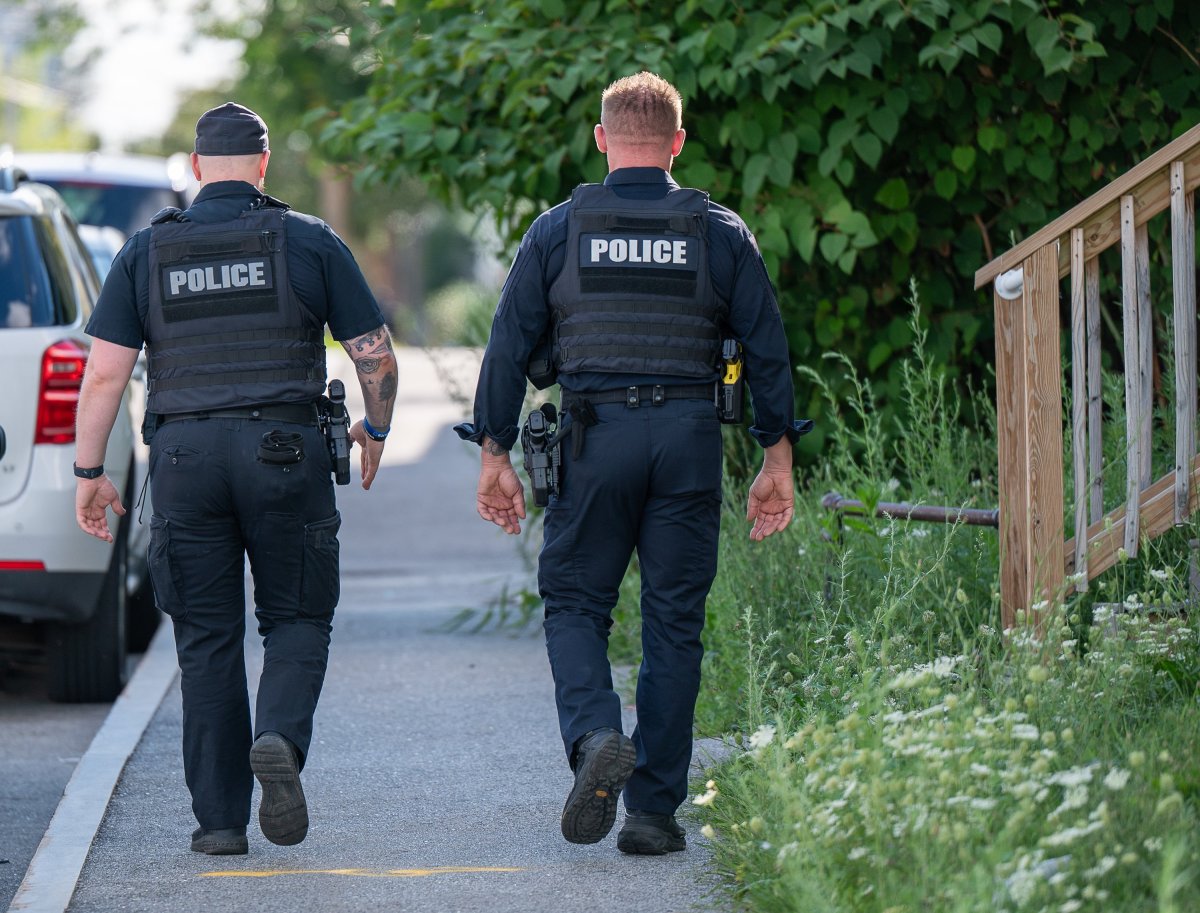
LEWISTON — As the city experiences an uptick in youth crime driven by teenage repeat offenders, officials will push the next Legislature to make reforms to the juvenile justice system.
City officials say police have increased their rates of solved crimes to nearly double the national average since the city implemented its Community Engagement and Accountability initiative. But, they say, the courts are not following through with accountability.
“We need to stop the repeated cycle and revolving door of juveniles being apprehended, released and apprehended again by ensuring meaningful accountability and intervention before another crime is committed,” City Administrator Bryan Kaenrath said.
Kaenrath said as part of its initiative the city is asking lawmakers to consider an eight-part reform plan for juvenile justice codes aimed at pulling the reins on repeat offenders revolving through the system. The reforms would, he said, hopefully lead to keeping repeat offenders detained, providing treatment while juveniles are in custody and changing competency procedures so juveniles can be held accountable.
Specifically, the reforms would:
- Give judges and Juvenile Community Corrections Officers more discretion in detaining repeat offenders.
- Expand programming at Long Creek Youth Development Center in South Portland.
- Give juvenile corrections officers more detention authority.
- Give District Attorneys more of a role in early releases.
- Require treatment for serious juvenile offenses.
- Put more responsibility on DHHS for court-ordered services.
- Create a competency restoration program.
- Change juvenile competency standards, namely clarifying or eliminating “chronological immunity” as a basis for finding a juvenile incompetent to stand trial.
Thus far this year in Lewiston, there have been 35 gun violence incidents involving 22 juveniles, with 11 of those juveniles involved in at least two incidents. Those cases led to 24 juvenile arrests and 67 seized firearms.
Police say the same teens are violating the law over and over again.
Late last month, two 15-year-olds were arrested in connection with gunshots fired near Horton and Ash streets, both of whom were on conditions of release for prior gun-related offenses. One had more than 70 police involvements in the past two years, police said.
Just two days prior, police arrested a 13-year-old on a gun charge and a 16-year-old on a drug charge. Both were repeat offenders, police said.

Over the past six weeks, police have conducted 96 hours of dedicated initiative patrols, collected over 900 community contacts, carried out 125 property site checks and conducted about 35 interviews, according to a city news release.
“Community policing is about building relationships and we’ve already seen positive progress,” Lewiston Mayor Carl Sheline said. “I’ve heard from officers on the ground that residents are starting to reach out to them while on patrol with helpful tips and information. Our officers absolutely care about Lewiston and neighbors are taking notice. Working together, we can keep our city safe.”
Police had 18 assists to patrol, carried out numerous arrests and had more than 75 residents engage them in conversation and with tips at their Mobile Command Unit. Police confirmed through initiative details what they have known for some time.
“We’re not talking about someone who’s just getting in trouble with the police once or twice,” Kaenrath said. “The case that the police department cited … is one teenager who’s had 70 contacts with the police in the last two years. So, we’re (talking about youths) who are back out in the same environment in a matter of days or weeks.”
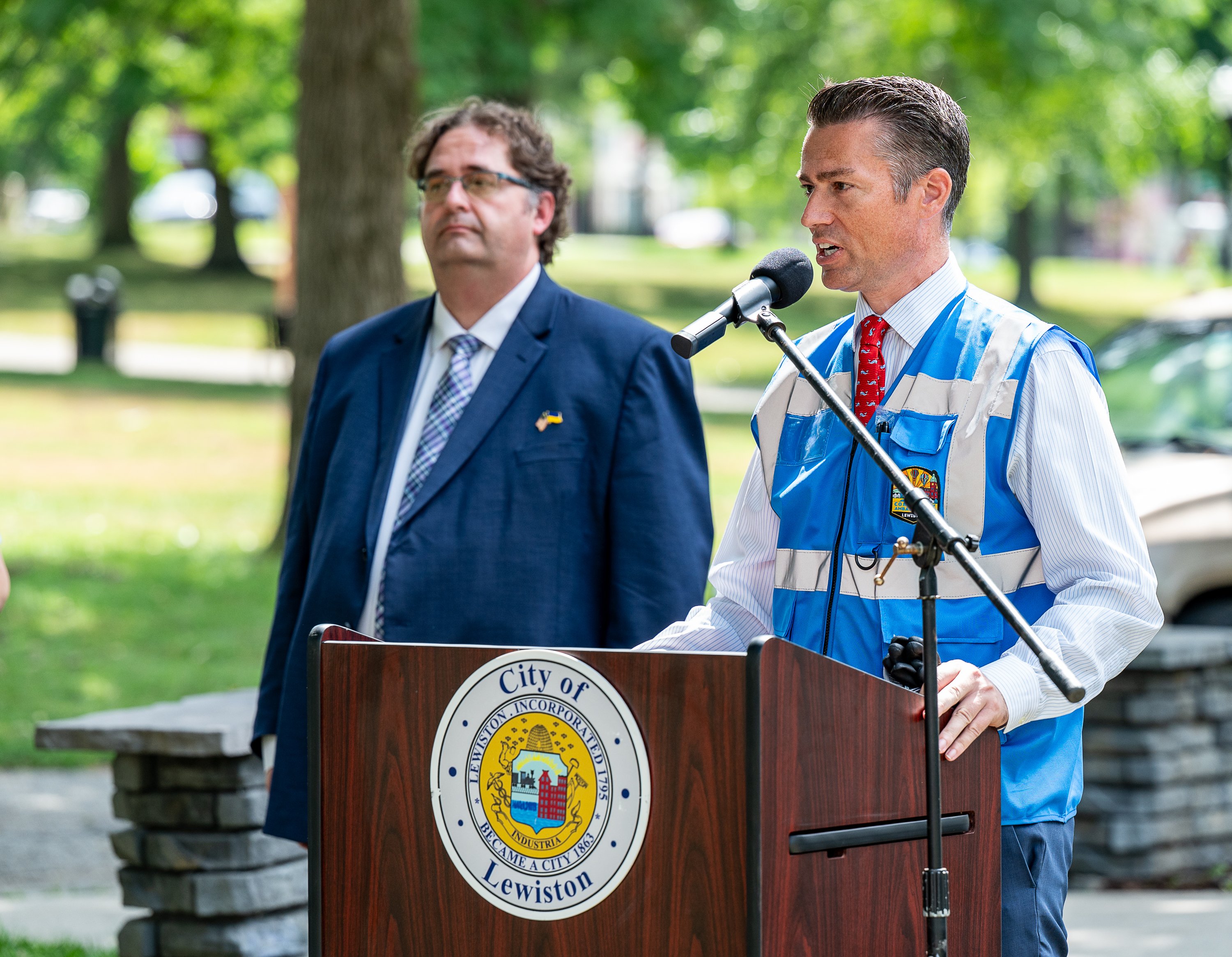
Kaenrath, a former state legislator, said the city has already met with its legislative delegation about the proposals and plans to find broader support for the measures ahead of the Legislature’s next session in January.
“The legislative piece, we’re a little bit still early on … because bill submission is not until December,” Kaenrath said. “We want to be talking with other community partners and organizations (like) the Maine Prosecutors Association, the Maine Chiefs of Police Association, and even hoping to get some meetings with legislative leadership in Augusta to really talk about the situation Lewiston is in.”
We invite you to add your comments. We encourage a thoughtful exchange of ideas and information on this website. By joining the conversation, you are agreeing to our commenting policy and terms of use. More information is found on our FAQs. You can update your screen name on the member's center.
Comments are managed by our staff during regular business hours Monday through Friday as well as limited hours on Saturday and Sunday. Comments held for moderation outside of those hours may take longer to approve.
Join the Conversation
Please sign into your Sun Journal account to participate in conversations below. If you do not have an account, you can subscribe here. Questions? Please see our FAQs.